28.2.10

Metamorphosis 2 : Leopold Cafe, Colaba


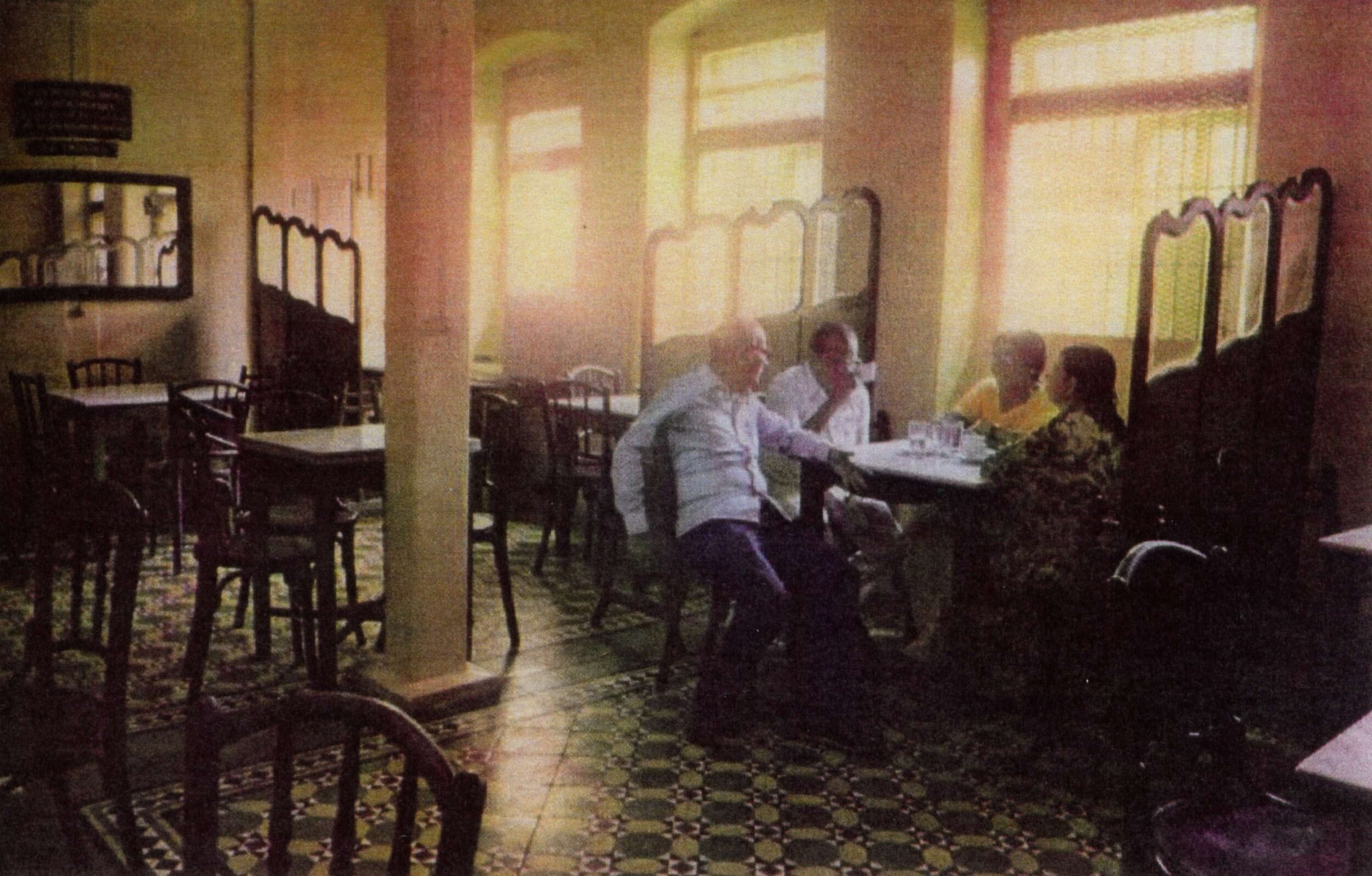
My name is Farzadh Sheriar Jahani. I was born in Bombay and grew up in Fountain. Flora Fountain area. That’s where, you know, most of the Parsis and Parsi communities were living back then. We lived in a five storey building, on one floor was an Iranian family that was living there, working for the Iranian consulate and there was a Punjabi living on the first floor. The rest of the flats were all occupied by Zoroastrians, Iranis.

My fathers name was Sheriar Framroze Jehani. My mothers name is Gulche Sheriar Jehani and they were both born in Iran. My father came down to India at the age of 15 or 16 with no money in his pocket. He had his brother and sister that he had to look after, and his parents. He was the oldest. So he had to come down to India to work, make a living and send some money back home for the family. They are from Yazd in Iran, actually just close by Yazd, a village called Taft.

My father got work in Irani restaurants, got the experience then like so many other Iranis, he took a share in several Irani joints. He ended up a partner in five restaurants in Bombay. One was called New York Restaurant which was on Hughes Road and he was a partner in Pyrkes Restaurant which was at Flora Fountain, he was a partner in Café Paris which was again at Flora Fountain. He was a partner in Moranaz and Company again very close to, ahhh, in the area of Fountain, and here at Leopold’s, that’s where my father was also. In fact, he was most of the time over here in Leopold’s and all the others were run by my father’s brother, his sister’s husband and other family.

Mr Rustom was a partner with my father here at Leopold’s and the building belonged to him That’s why the building is called Rustom Manzil. Also Aspandiar Ferhandaz Irani was a partner, Sheriar Framroze Jehani was a partner and Framroze Irani was also a partner – he was Aspandiar’s brother. These were the four partners that were in Leopold’s. During that time it was only my father who was running the show. All the other partners were you know doing something else. Rustom was coming and going. Aspi had a travel agent called Asiatic Travel Service which was near VT station, right opposite New Empire Cinema. The other gentleman was Framroze, he was living in Iran. So it was left to my father to run it daily. And it was in 1980, in the 80s, early 80s that I was in the 8th grade and I told my father I had an interest in learning the business.

It was more of an old type Irani café and store back then, they were selling confectionary items like…all kinds of things, they were selling biscuits and cakes and they were selling toothpaste, soaps, ah, you know medicines that didn’t require licences, such as Aspirin. They were selling cigarettes, cigars, and oh, um, khari biscuits and wafers and samosas and pattice and there were more sales of meals like English chicken roast and cutlet with soup, sandwiches, puddings and custards. There were a few Parsi dishes such as dhansak on the menu but not many. Today we have 140-odd items on our menu card. The changes came in the late 80s like in ’86, ’87 we introduced Chinese food into our restaurant, because we realised that people are now going for Chinese food and so we did too.

I remember my father telling me the 60s was the time of the hippies into the 70s, then the 80s was the time of the Arabs – the phases of Leopold I am talking about- then came the backpackers and now we have the expats. And a lot of Indians too as Indians have a lot more money these days than they used to.


When I was in my teens I used to meet people that were coming from Afghanistan, fleeing Afghanistan because the Russians had invaded. And we had a lot of, as I said, tourists, foreigners that were hanging around Colaba. So I have seen all kinds of crowd here. During the Iran-Iraq war we had people that had fled from Iran, young people that didn’t want to go to the war. I have seen people that were helping Iranians get out of the country illegally, but none of these transactions would take place in the premises for the respect of the owners, for the respect of the place and everybody had a good relationship.

And we had the Zoroastrian Parsis who would come here every Sunday morning, those were the cyclists. They used to have tournaments, races from Bombay to Pune and back, those kinds of things. There were a lot of young Parsis who would come basically on a Sunday – on a holiday. But not the rest of the week.


There used to be times when I would go with my Dad to Crawford market; because he would get up at 530 in the morning and by 6 o’clock he used to be in the market. At that time we had to go over there, we had to buy things like mutton, chicken, vegetables everything had to be hand picked and then we had a guy who used to be a cart-puller – he’d load onto the cart and deliver it to the restaurant over here.

My father used to have his Italian Fiat 1959 model which he used to get in and come back to Leopold’s in. Sometimes if his car was spoilt I might come with him and we would get a bus ride, early in the morning, on the BEST as we call them and I’d come with him, spend the day. Since my house was close – just 1, 2 kilometres from Leopold’s I could walk back home but no I would wait for my father , until he had finished, and then leave with him.

The world is different to what it was back then. People themselves have changed, those that wanted to move on in life have moved on in life. What we did was we moved with the times. Today my older brother Farhang and I manage Leopold’s. We have changed with the times and that’s why we have survived. I have seen so many an Irani joint either shut down, or sell out because they didn’t move with the times, they didn’t change.


I would say I am thankful to my Dad for having confidence in me and my brother, to let us make some changes while he was alive, while I was growing up still. He realised it was for the betterment of the business. You see people in those days – the elderly generation- were not having so much trust in their children, to let them bring in the changes. Have you heard about the crab in the basket? Sometimes I feel our community can be like that. If one is climbing up to get out of it, the other one is pulling that one down. Why? Success in a community should be accepted open heartedly. In fact, ask that person to guide you. Learn from that person. Educate yourself. Open your, your vision. Go and learn, don’t pull that person down.

I am really grateful to Gregory David Roberts for putting down what he had to in his book Shantaram. He himself is a great person. He has put us on the map of the world, it’s like ‘OK this is where Leopold’s is’. I have met so many foreign tourists, rich people who have read this book that would stay at Taj, came over here, and they say ‘we never thought of coming down to Bombay or to India or to Leopold, but after reading this book it pulled us to your place. And here we are eating, enjoying the food that’s been cooked here’.

The Iranis who started these places in Bombay, look, they have taken pain, they have sacrificed. Today I am sitting here, I have enjoyed, I have travelled, I have done all kinds of things my father didn’t do. My father and mother sacrificed so that I got this and I am enjoying this today because of their sacrifices. Today, I am not sacrificing in the same way to give life to my children, but I still protect them so that they get the best. Hard work and sacrifice is what they gave.


On 26/11/2008 two guys were standing by our door between 940 and 945pm talking on their cell phones. After that communication they were standing and talking to each other, maybe doing their prayers or what not and then one person, from his haversack, removes a hand grenade and hurls it into the restaurant. Soon after there was gun fire from an AK47. We lost several loyal staff and guests and others were injured. There was blood all over the place. It knocked all of us over.

It does not make any sense. Why kill innocent people? What have the people that you have killed done to anybody? They are sitting as human beings as you were once – they are no more human beings – eating their food with their family and friends. You have your differences with whoever, but why innocent people? I don’t understand. They basically came to kill foreigners. But we don’t let them win. We opened up after a few days and we stay open, we won’t let the fear and hate take over, we will work hard so that we then sleep. And time helps. I think my father would be proud of all of us.

From an interview with Farzadh Sheriar Jahani, Mumbai, March 2009

IMAGES, top to bottom:

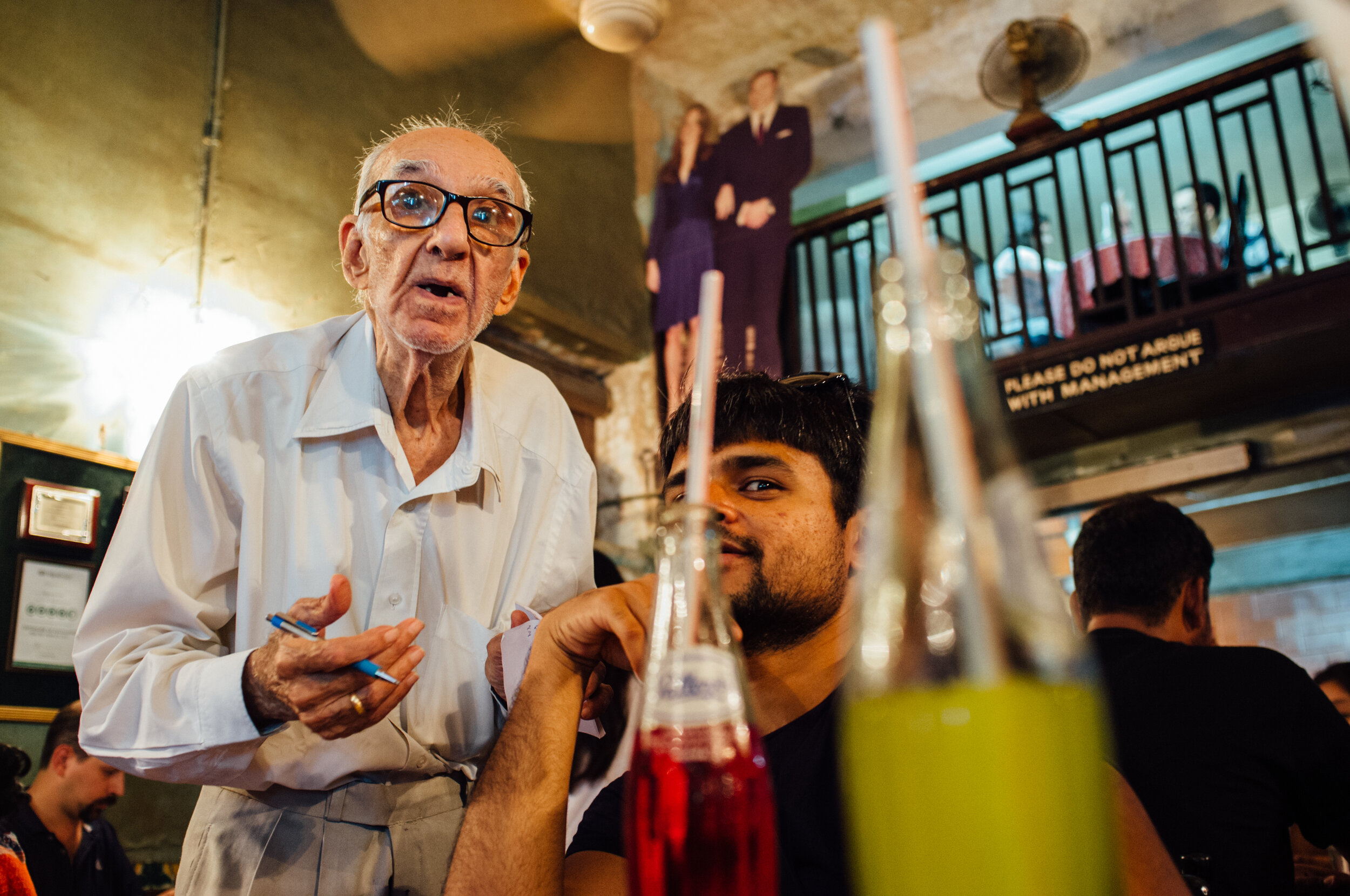
-Farzadh S. Jahani, Mumbai 2009

-Rand McNally map of Asia, 1892

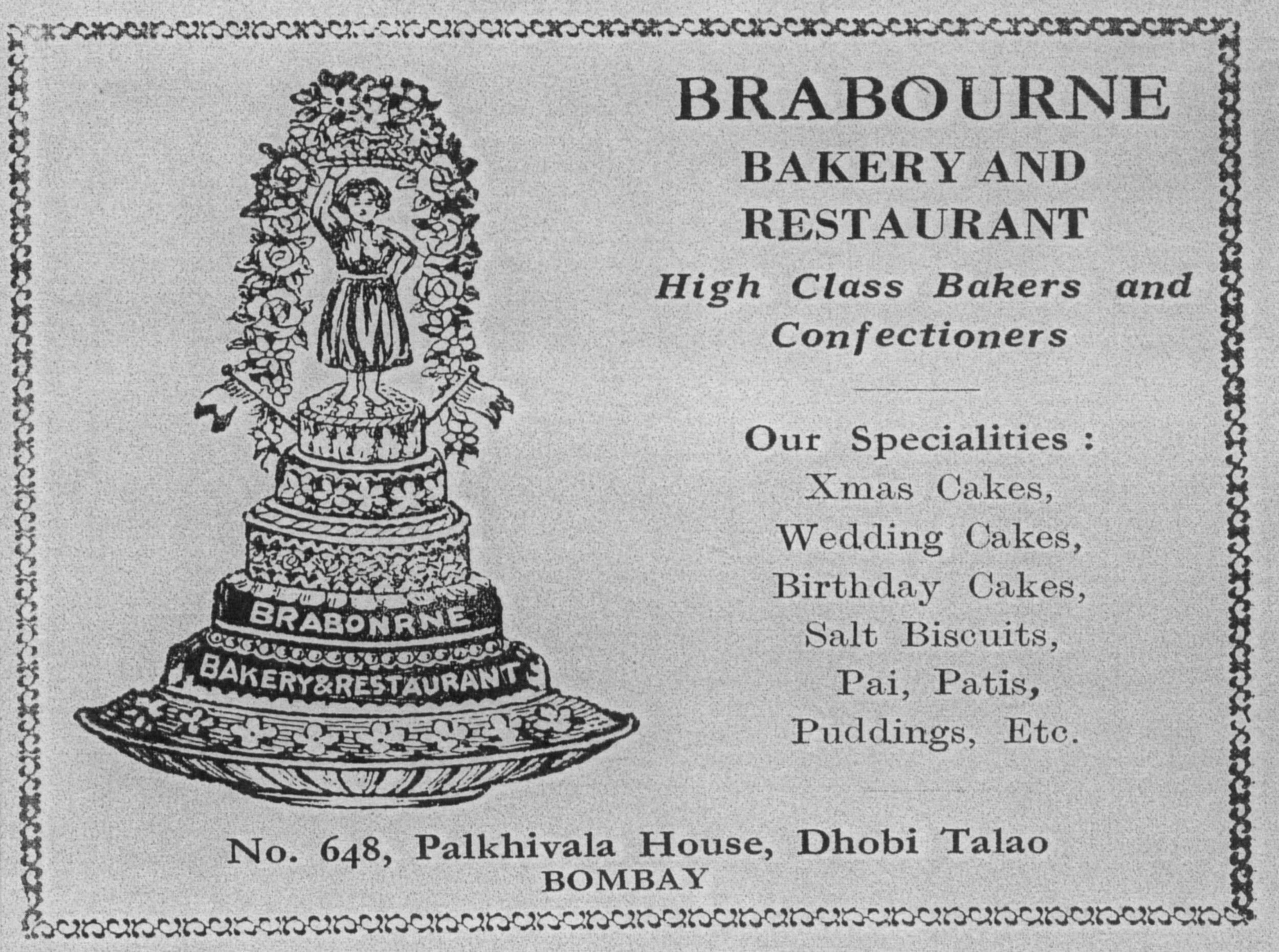
-Advertisement for Leopold & Co., in Hormusji Dhunjishaw Darukhanawala,

Parsi Lustre on Indian Soil, Claridge, Bombay, 1939

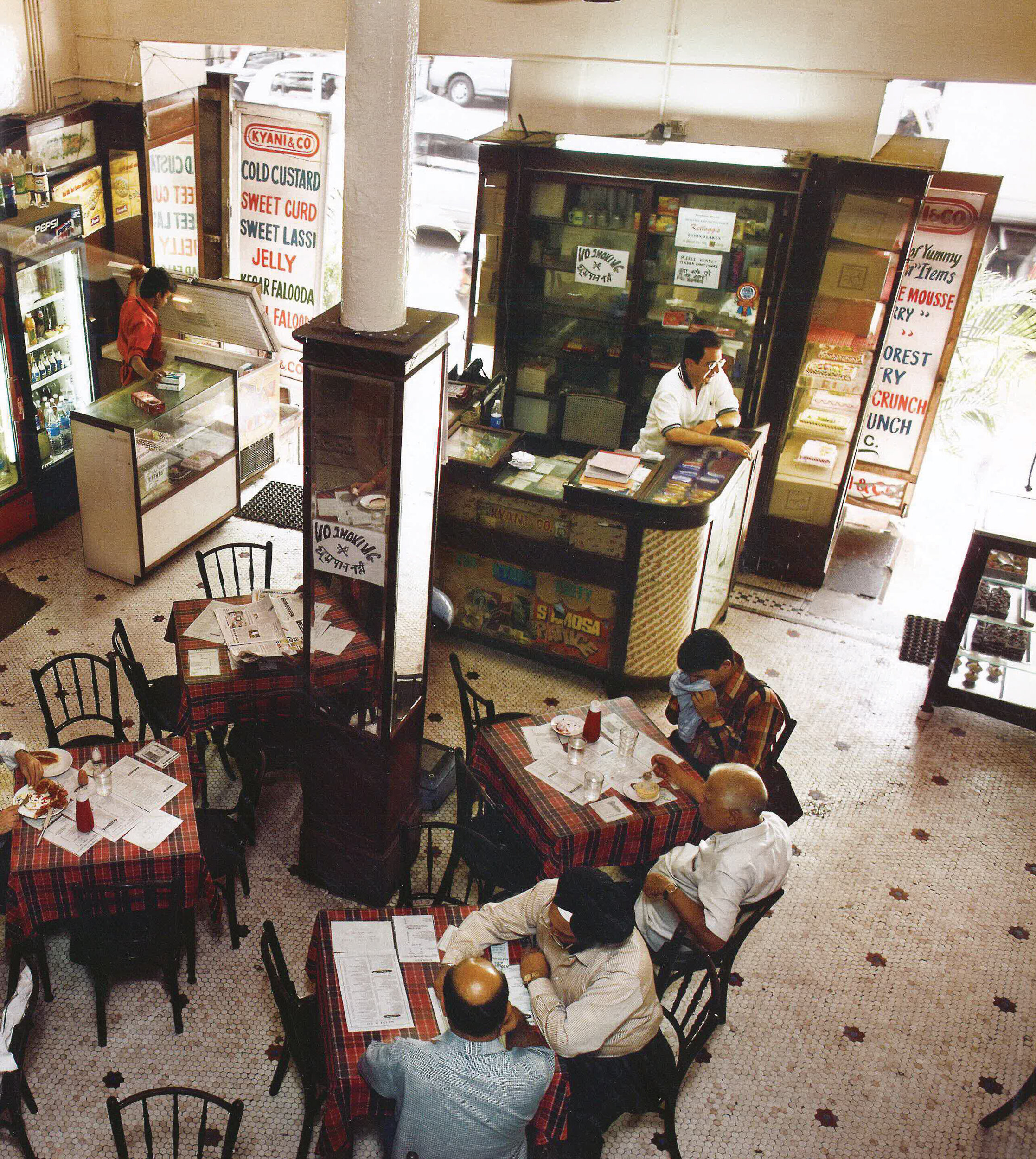
-Man smoking at Leopold's 2004, photographer Apoorva Guptay, copyright

-Wall mural, Leopold's Cafe, artist unknown

-Frahang Jahani, Leopold's Cafe 2009, photographer Jason Motlagh, copyright

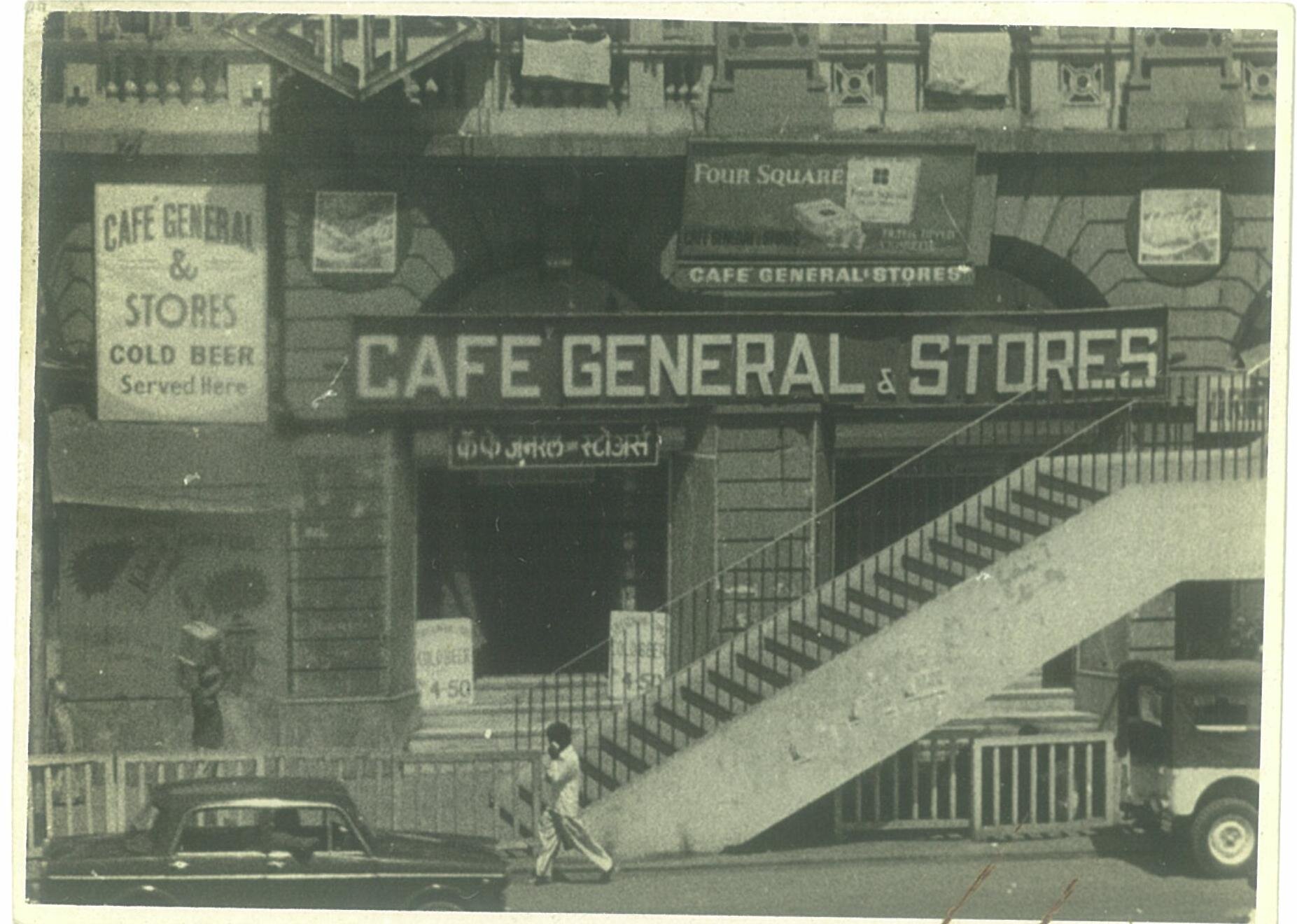
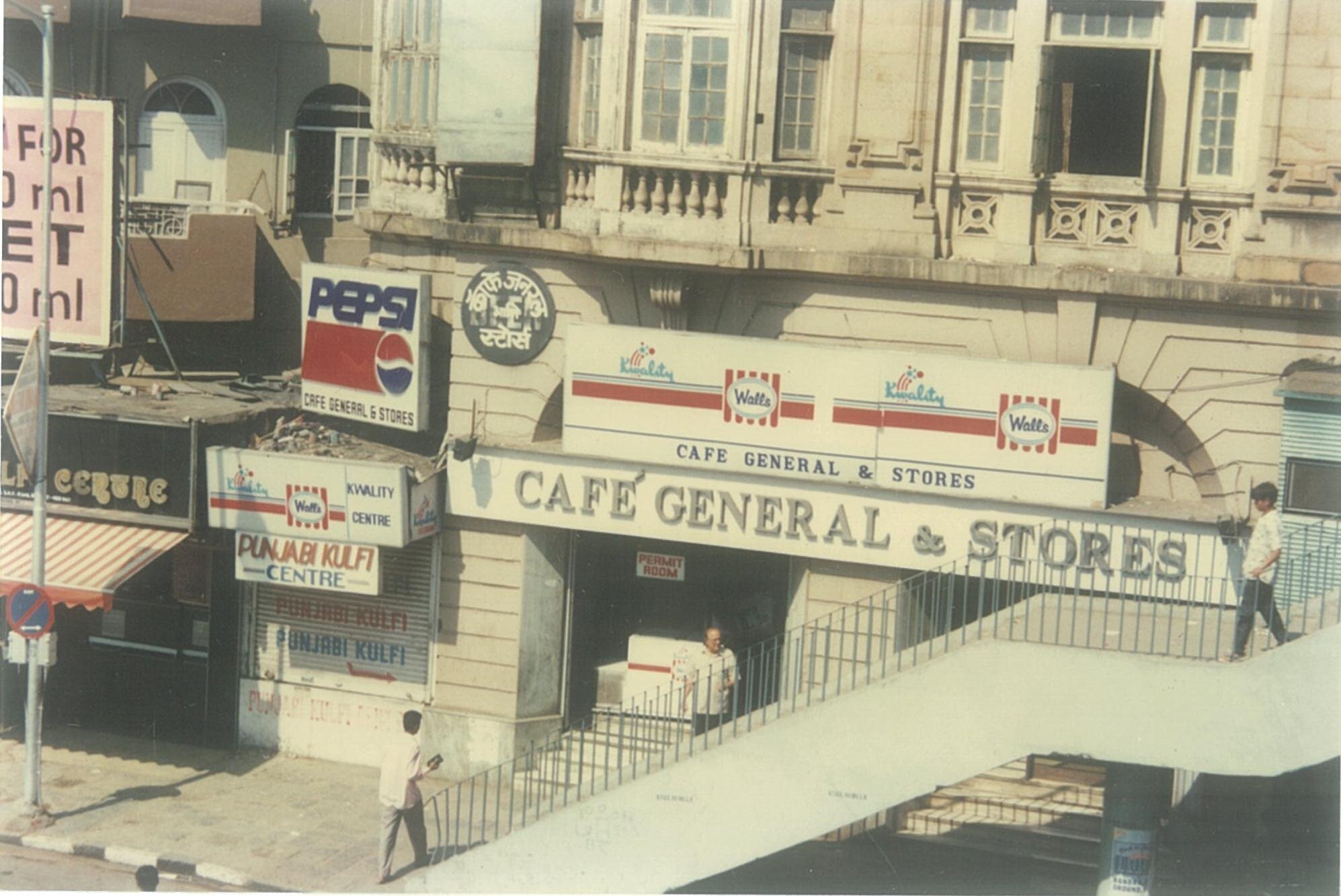
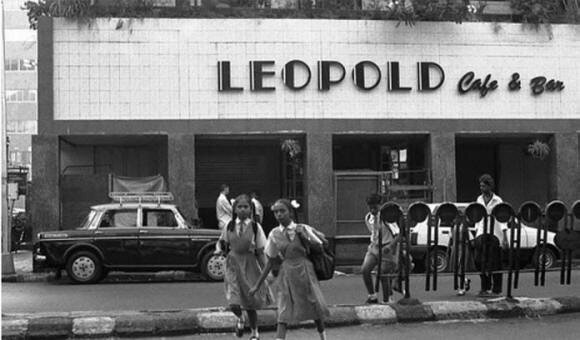
-Leopold's Colaba Causeway 1980s, photographer Marellaluca, copyright

-Leopold's Colaba Causeway 2009

-Wall mural remembering 26/11 Mumbai bombings, Mumbai 2009

10.1.10

Metamorphosis 1 : Cafe Universal, Fort


For those of us who have been able to change with the times, the future of our businesses is bright
GUSTAD DEHMIRI

My name is Gustad Dehmiri. I was born in Yazd, Iran in 1944. My fathers name was Framroze and my mothers name Keshwa, and we are four girls and two boys in our family. All of my sisters are living in Canada, one of my sisters was here, she has expired now.

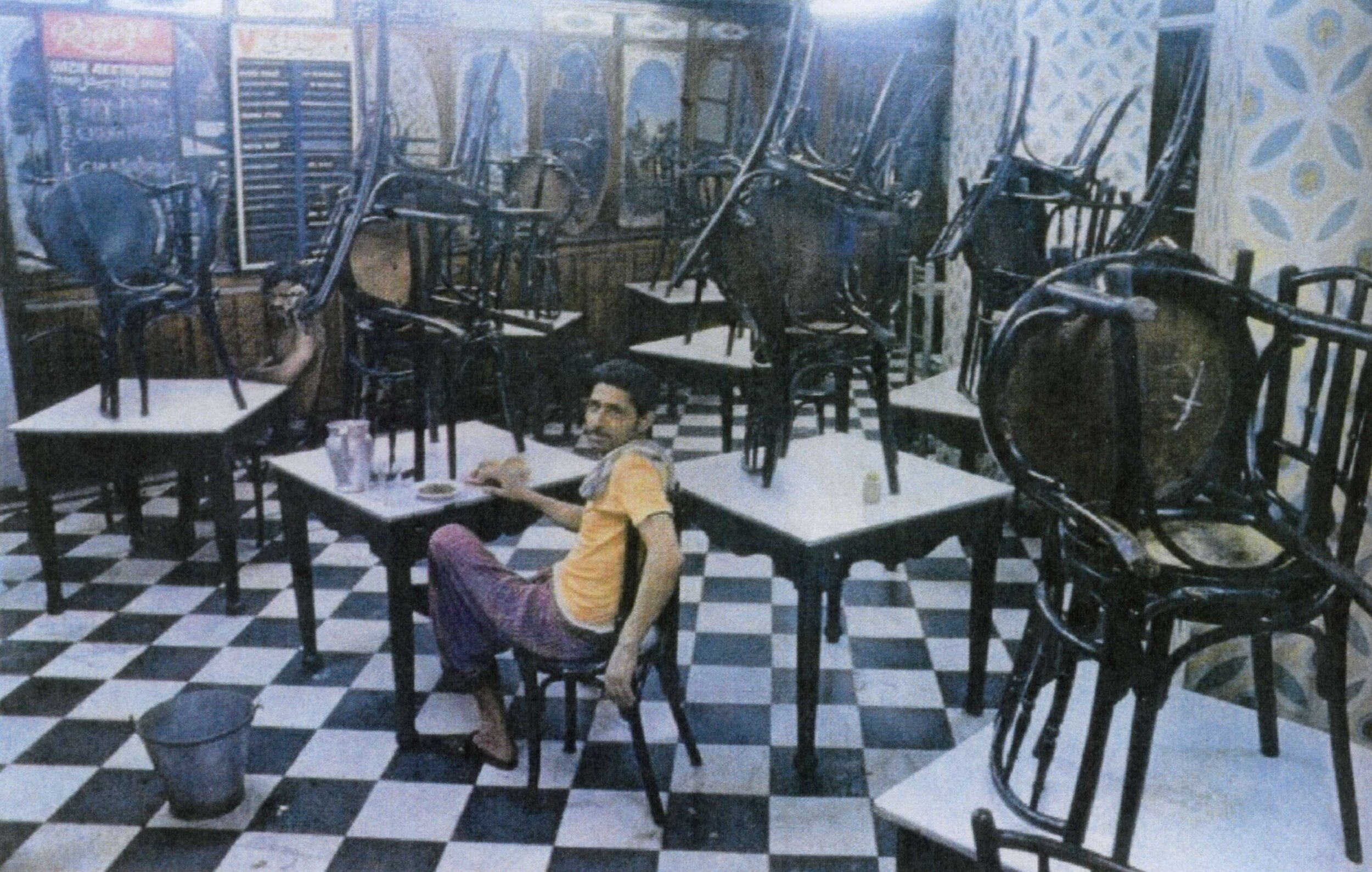
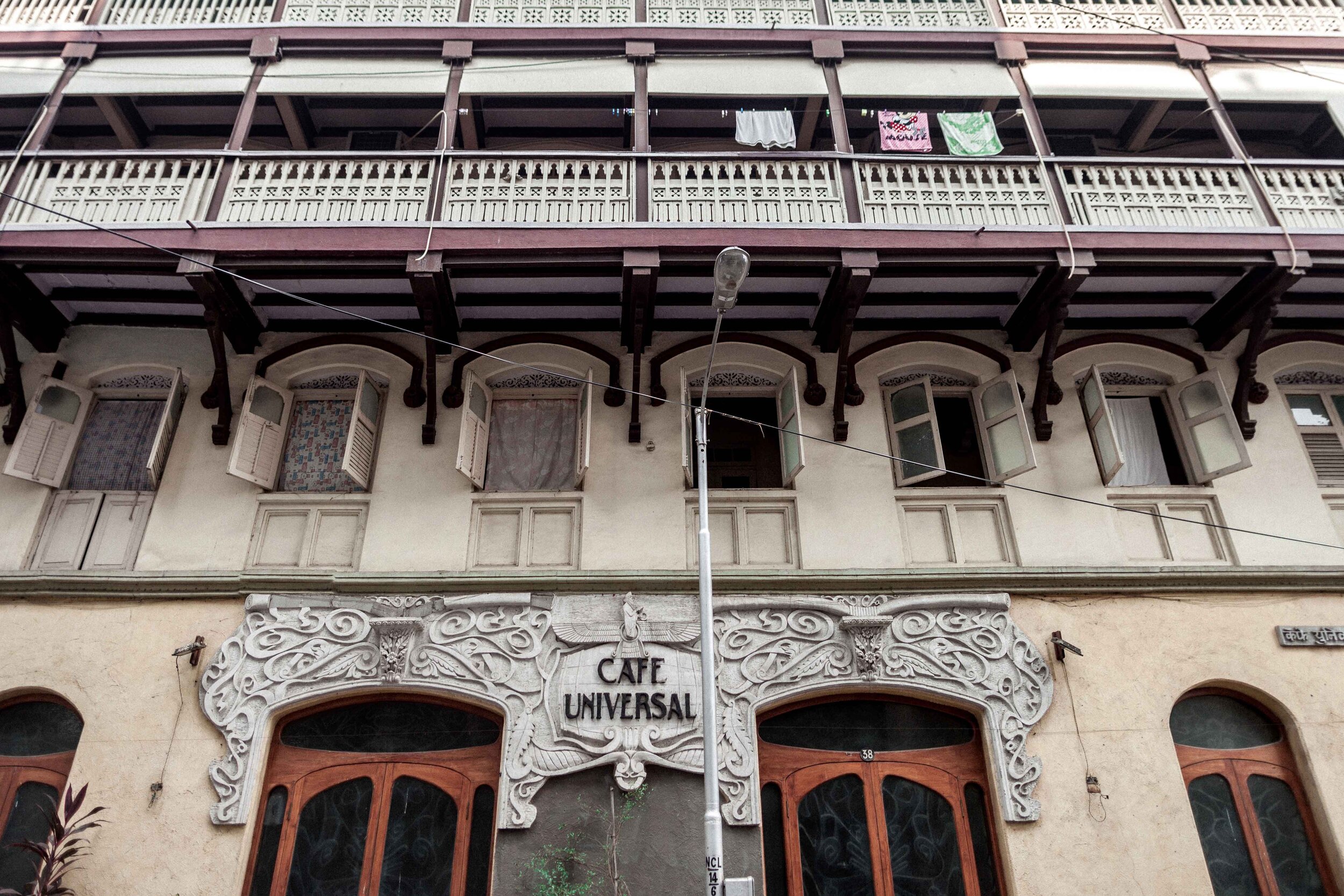
I came to India 1985, my father was a partner in Leopold in Colaba for a long time. He was young when he start working in Leopold, maybe 20 years old. I still have a share in Leopold, and this place here, Café Universal I bought some time back. It was a simple beer bar and chai and bun maska place only. I renovated the place, totally changed it to beer bar and full restaurant.

The owner of Café Universal was Behram Radmanesh, today he is 75, 80 years old, all his family is in America, so he has gone, he go to the States and stay there, once a year he comes back here for a holiday, then goes back because nobody is here to look after him.

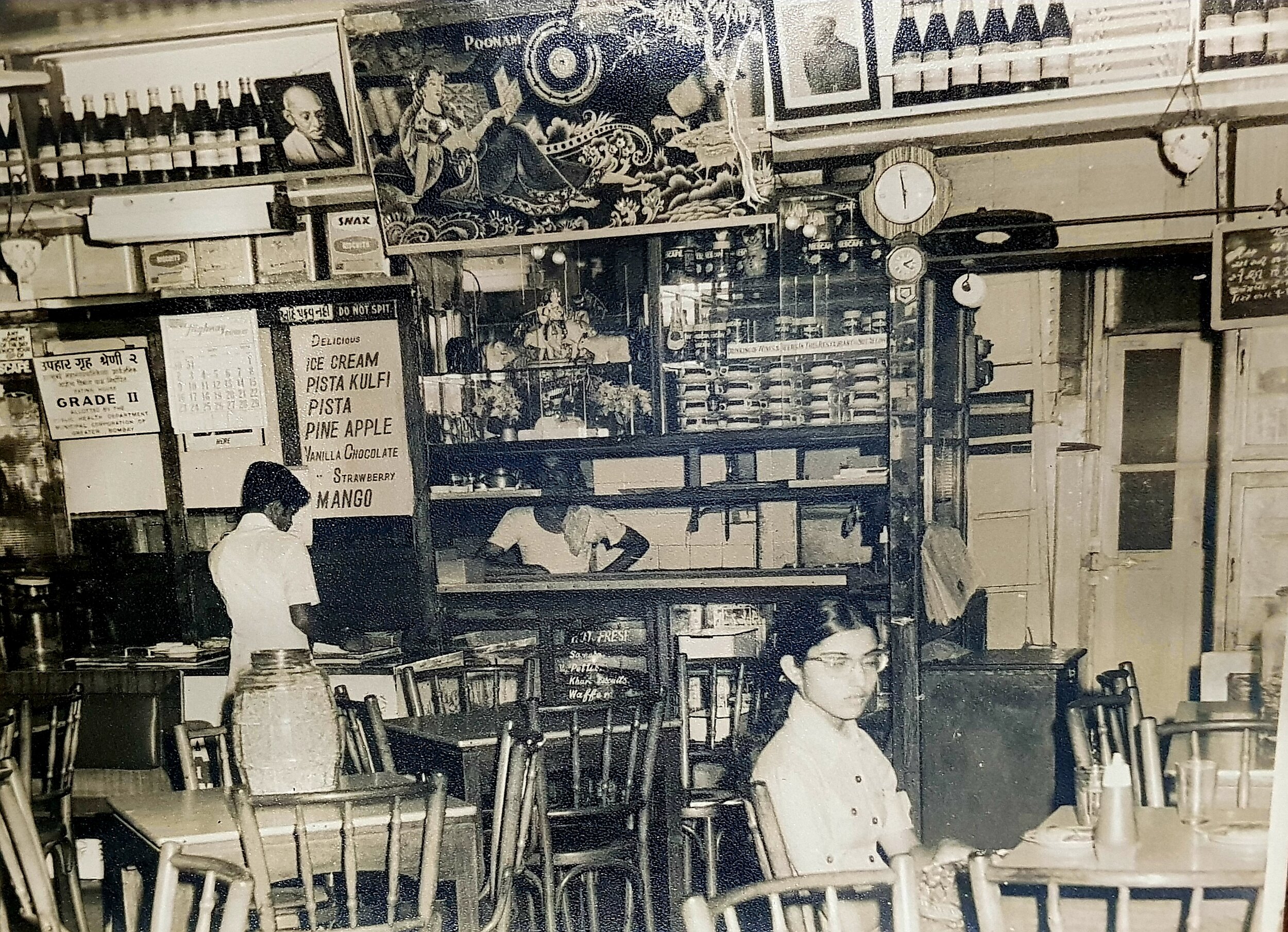
Leopold was started in 1871 – first it was a drug store, then it changed to a wine market, wine shop, then my father and my uncle started it for a restaurant about 100 years ago, in 1907 I think.

So Leopold’s was started by our family, my father, my wife’s father and two other partners – one by the name Rustam. And one by the name of Sheriar, they were co-partners, running that place, and now they expired, and today Sheriar’s sons Farhang and Farzadh and myself, my brother and my wife Thrity we are the partners of Leopold’s today. Farhang and Farzadh manage Leopold’s day to day though.

Leopold’s, like this place Café Universal, was just chai, bun maska – just a typical old Iranian restaurant. Yeah, that is the story of these old Iranian restaurants; chai, bun maska, khari biscuit, pattice and all that. After that when the beer was more freely available in Bombay people realised aelling beer is much better profit than selling just chai!

Leopold actually, the Leopold was the name of the King of Belgium, ok, the King of Belgium was named Leopold and from that, in the British time it is named by them, Leopold Restaurant, a lot of people liked royalty in those days! Times change.

So when I came to India in ’85, we changed the food, this, that and people started coming, as a tourist centre. Everybody coming from abroad directly from airport to Leopold and they know their friends are going to be there, and from that Leopold became well known. It is written the name of Leopold in guidebooks, the whole world, everywhere, in Canada, in US, India wherever you go you open the book and Leopold’s name is there, that’s why it became so famous.

Café Universal was old and run down by the time I bought it; they were a different kind of customer. They were working on the docks, most of them. But now these docks are closed here, they shut down. They went to New Bombay.

Iranis have been hardworking people, only the thing is that the young generation, they didn’t want to go after their fathers, like in restaurants, because they study so they say ‘why should I come and work in a chai restaurant with dad?’

They maybe wanted to change the model, change the design, because still you see there are a few of that old type of Irani restaurant, old chairs and tables, and I told some people “why are you not interested in remodelling the place?” They say ‘no, if we make better the tax man will come and say “oh, from where have you got this money?”’

But for those of us who have been able to change with the times, the future of our businesses is bright.

From an interview with Gustad and Thrity Dehmiri, Mumbai, April 2008

IMAGES, top to bottom:

-Gustad and Thrity Dehmiri, Mumbai, April 2008

-Cafe Universal, Shahid Bhagat Singh Road, Fort, Mumbai April 2008

-Gustad Dehmiri and Behram Radmanesh at Cafe Universal before renovations, ca 2004

-Advertisement for Leopold & Co., in Hormusji Dhunjishaw Darukhanawala, Parsi Lustre on Indian Soil, Claridge, Bombay, 1939.

-Leopold's, Colaba Causeway ca 1990 courtesy Brian J McMorrow

-Cafe Universal, Shahid Bhagat Singh Road, Fort, Mumbai December 2009

Live from Koolar & Co., Matunga!


Ali and Aamir Irani's landmark Matunga cafe Koolar & Co. was packed to the rafters last Friday night, January 8th as Purani Jeans - the radio show that celebrates the best of Hindi retro music went out live from the cafe. "The show rocked, and I hope in our own little way we highlighted the magic of Mumbai's fast disappearing Irani cafes, too" says Radio Mirchi's head of programming Indira Rangarajan.


IMAGES: Courtesy Radio Mirchi

8.1.10

Hindi retro sounds - live from Koolar & Co., Matunga!


Tune-in to Radio Mirchi on Mumbai 98.3FM from 9pm Friday January 8th when Purani Jeans – the radio show that celebrates cool Hindi retro sounds - goes out live from Ali Irani’s King’s Circle, Matunga landmark café Koolar and Company.

“We wanted to put a spotlight on the disappearing Iranis in Mumbai. As the show that revived retro music in Mumbai, it seemed only fitting that we celebrated our 1st Anniversary on air by broadcasting from a classic Irani café - highlighting the disappearance of some of Mumbai’s old time landmarks” says Radio Mirchi’s head of programming Indira Rangarajan.


IMAGES:
Koolar & Co., Matunga
Interior image courtesy Zeeble

21.12.09

19 minutes, 57 seconds : Inheritance of Loss {2009}

video


Mumbai born and raised filmmaker Saloni Shukla has studied cinematography in Mumbai, New York and Singapore. Her latest documentary Inheritance of Loss, to be launched at Mumbai’s Kala Ghoda Arts Festival this coming February, looks at the demise of her home town’s Irani cafes. Here is what Saloni has to say about the project.


As Mumbaikars in the 21st century it’s not uncommon to ask ‘where are we heading? What will the future hold for this city we are living in?’ Mumbai seems to be a city that gets a new facelift every few years. And yes, it has come a long way from being a group of quaint little Portuguese islands to being a global megacity. Our home is a city that was made by expatriates of different communities. At different stages in her history we have seen the her rise, and fall. Yet our love for her remains constant.


Mumbai's Irani cafes have been the familiar abode of wealthy businessmen, lawyers, struggling rickshaw pullers in need of a quick refreshment to whole families for whom the local Irani could be a place for lovely lunches or dinners. For the hooker who worked the street it was a place of refuge, too. Under the roof of the local Irani anyone could be, and has. Anyone, irrespective of religion, caste or creed could wander in and find comfort in the energy of the place.


A place where friends would chill, couples would court, business deals were signed and reforms were made by the great leaders of the past. A place where artists would get inspired, writers would find their characters and your old uncle could just sit back, drink a cup of Irani chai and read the Sunday Times. A place where kids would lie to their parents and go eat brun maska jam and hang out with their mates. A place where stories began. Now, these places that have survived in our city for well over 100 years are close to the lines of extinction.


I sometimes wonder, are we moving on so quickly that we might be forgetting what our city was all about? Sure, franchised cafes and and expensive restaurants have their place but to me – as a Mumbaikar- they lack the character that any Irani cafe had. Is face value everything? Well if it is then why are these cafes going extinct considering they have had one of the most charming faces of them all?


In under 30 minutes my new documentary Inheritance of Loss asks Mumbaikars of all persuasions these questions. And finds some fascinating answers.


IMAGES top to bottom:

- Saloni Shukla at work with Britannia Cafe's Boman Kohinoor

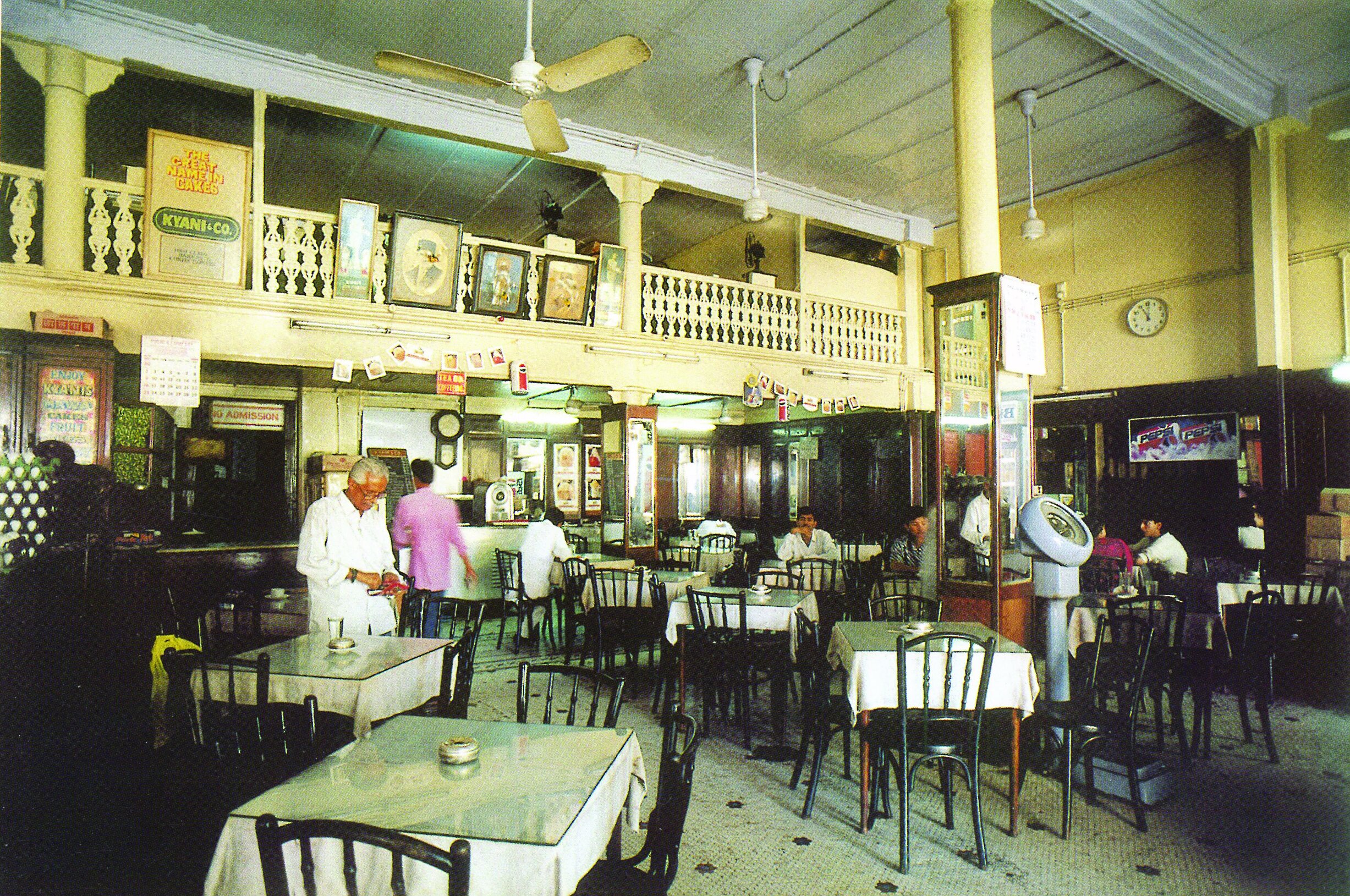
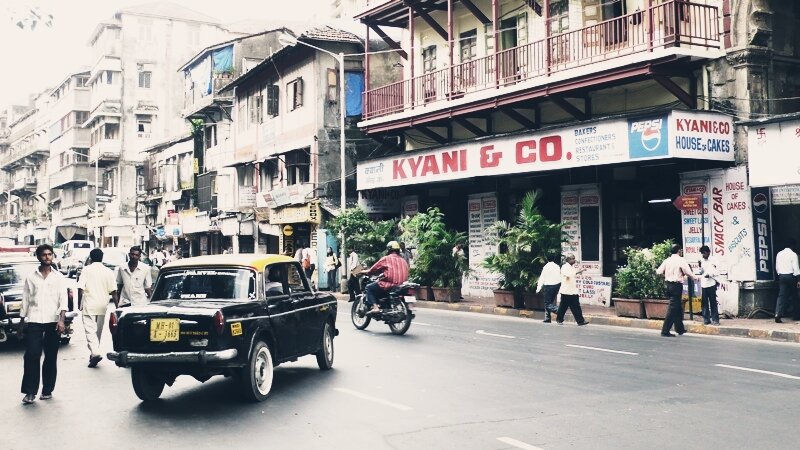
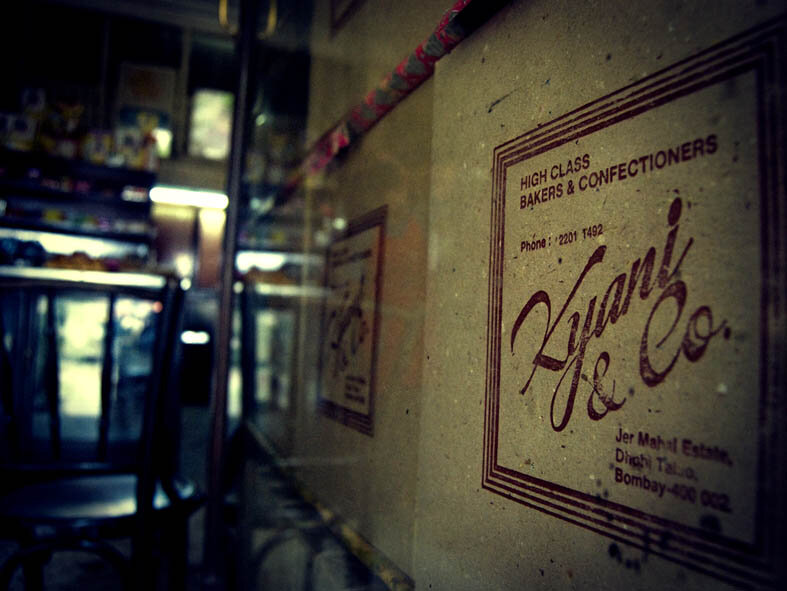
- Kyani & Co., Dhobi Talao

- Promo poster for Inheritance of Loss showing infamous 'instructions' board at the former Bastani Cafe, Dhobi Talao

13.4.09

CROWN BAKERY, STORES and RESTAURANT, Mahim. .


We heard just yesterday that a little bit of local charm has dissapeared from LJ Road, Mahim.

Landmark Irani CROWN BAKERY STORES & RESTAURANT closed this week - the adjacent bakery is still operating but is not expected to last for too much longer.


We were fortunate to grab a chai and bun maska at CROWN just last month - here are a few photos we took that afternoon.

We'll miss taking a chai while enjoying the simple pleasure of watching the fish flutter, dive and dart in CROWN'S small back wall aquarium.


IMAGES:
Crown Bakery, Restaurant and Stores, Mahim. March 2009.
COPYRIGHT.

9.11.08

the Irani restaurant sings to me. .

George Grosz had his Berlin cafes, Toulouse Lautrec his Moulin Rouge – and what the hell – I had my Bombay Irani.

There's this thing about the Irani café that draws me like a magnet. Especially the downmarket ones. Carelessly scattered and heaped ashtrays, half empty beer bottles , chipped tea cups, sullen tired waiters and a customer base that encompasses all denominations of this brave struggling species known as Mumbaikars. If asked to quickly pick three random images from my consciousness to define this city I'd pick the Irani, the Bombay Fiat taxi and the stock exchange building – in that order. And if anything symbolizes the cosmopolitan nature of this city, it is the corner Irani. My first tryst with bun-maskapao-keema-chai destiny took place in 1987, shortly after coming to Bombay to seek my (still elusive) fortune. It was an Irani called Fairdeal Restaurant on Linking Road in Bandra (W) and I was looking for a place to have breakfast.

I had just taken up a paying guest accommodation at Pali Hill with a Sindhi family the night before and had very little money on me. The first impression I got on entering the cool dark interior after my eyes had adjusted from the blazing heat outside, was of absolute disorder. There were cartons everywhere – on the tables, in the corners of the restaurant which was not a restaurant but a store which also sold food and therefore also was a restaurant…and there were egg racks nestling close to Bisleri bottles which snuck up comfortably with stacks of pao. Yellow Amul butter blocks cut up into little pieces lay in the open on the sideboard invitingly for flies…and a thin dyspeptic looking chap was slicing pao with a long thin knife that looked more like a tape measure.

But what is indelibly printed in my memory is the owner. He had skin like parchment and piercing eyes and a monumental nose. He had bright orange hair. And a cigarette jutted out of his mouth like it was an extension of him, cousin to the nose as it were. Great plumes of evil cheap smoke wreathed themselves around this striking personality as I waited for my order, and looking around me at this ramshackle scene lit up inadequately by the dim tube lights, I knew. I knew I had to paint these people, that owner sitting behind his ancient phone, the dyspeptic chappie with the knife, the lazy bulbous fans hanging down from the ceiling and the porcine broker trying to con the old couple in the table next to me. I saw the dust mites riding the rays of sunlight that were sheared three ways through the exhaust fan and watched them settling gently on the Amul butter with fascination. What could be more beautiful? George Grosz had his Berlin cafes, Toulouse Lautrec his Moulin Rouge – and what the hell – I had my Bombay Irani.


No matter how dauntingly expensive a city may be, no matter how hopelessly out of reach those grails of success that we have each of us pledged to pursue would seem, every civilized place has its respite. A place where you can say time out and rest your feet. Every bonecrushing system has its cracks where an ant in the world of giants may exist in grace for a while. In 1987, a fellow who had just left the safety of his family and hometown with no great job to speak of could still eat his fill in an Irani for 15 bucks. Today, even with inflation it's only 30 bucks.

When I see the patrons of the Irani tables, I am reminded of that fact. Very few of them go to admire the Belgian mirrors or the quaint furniture or the architecture. When I paint, it is not the mirror but the faces the mirror has seen over a hundred years that I paint. The migrants, the dispossessed, the students, small businessmen that bring colour and life to this city. That is the lifeblood of my cavas. Most of them have moved on and would not feel the slightest pang if they heard an Irani had been torn down and a branded retail outlet had come up in its place.

But there was an Irani hotel for them when they had needed it. There had been in their past the grace of an exquisitely crafted cupboard with inscriptions at the top and the respite of a 2 rupee cup of tea. There had been a marbletop table to sit at while worrying about whether there was enough money to take the Virar local back home.


When I paint the patrons of an Irani I also know that many of them have not taken that giant step forward. I can see it in the hunch of their backs and the hollows of their eyes. But there is place for them in Mumbai too - as there must be in every civilization worth its name. At least I hope so. If every chawl and wadi in Mumbai is torn down, and every green street corner squared away with chrome and steel and everything available inside a tinted glass fronted box at high prices, where do they go?

As we paper over the cracks and leave no rough edges or untidyness that may embarrass us, we also leach out the colors of diversity, and disavow our past. Art does not sit well with gentrification and uniformity. If you hang up Van Gogh's Potato Eaters on your pristine walls or Ramkinkar Beij's wild landscapes, should we not spare a thought for the source?

The Irani restaurant in its dying throes sings to me of much more than what is inside it. Beyond its check patterned floor is the dull concrete that inches closer every day.
I must paint quickly before it encroaches my canvas too.


GAUTAM BENEGAL
WORDS and IMAGES COPYRIGHT GAUTAM BENEGAL, 2008. All rights reserved.